

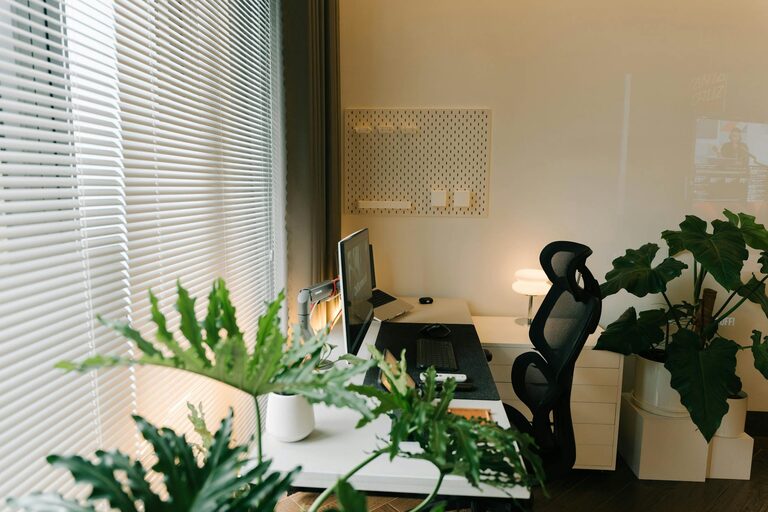
Creating a productive home office environment is essential if you want to stay focused and efficient while working remotely. Whether you’re new to working from home or looking to improve your current setup, a few strategic changes can make a big difference. In this post, we’ll explore practical tips to help you design a workspace that supports your productivity and well-being.
Choose the Right Location
Finding the best spot for your home office is the first step. Ideally, select a quiet area with minimal distractions. A dedicated room is perfect, but if that’s not possible, a quiet corner can work too. Consider these factors when choosing your space:
– Avoid high-traffic zones where family members or housemates frequently pass by.
– Make sure there’s enough natural light, which can improve mood and reduce eye strain.
– Check for access to reliable electrical outlets for your devices.
Invest in Ergonomic Furniture
Comfort is key to staying productive. Investing in ergonomic furniture will help you avoid discomfort and fatigue during long work hours. Focus on these essentials:
– Chair: Choose an adjustable office chair with good lumbar support. It should allow you to keep your feet flat on the floor and maintain a comfortable posture.
– Desk: A desk at the right height lets you work comfortably whether you’re sitting or standing. Standing desks or adjustable desks are great options.
– Monitor Setup: Position your computer screen at eye level to avoid neck strain. A monitor stand or adjustable arm can help.
Keep Your Workspace Organized
Clutter can be distracting and reduce your ability to focus. Maintaining an organized workspace will help you work more efficiently. Consider these tips:
– Use cable organizers to keep cords tidy and prevent tangling.
– Incorporate storage solutions like shelves, drawers, or bins to store supplies and documents.
– Keep only essential items on your desk to minimize distractions.
Optimize Lighting
Proper lighting plays a vital role in creating a comfortable work environment. Here are some guidelines:
– Utilize natural light whenever possible. Position your desk near a window, but avoid glare on your screen.
– Use adjustable desk lamps to provide focused light for tasks.
– Choose bulbs with a color temperature that reduces eye strain, usually between 4000K and 6500K (cool to daylight white).
Minimize Distractions
Distractions can severely impact your productivity. Try the following strategies to create a distraction-free zone:
– Use noise-canceling headphones or play soft background music if noise is an issue.
– Inform household members of your working hours to limit interruptions.
– Turn off non-essential notifications on your phone and computer during work time.
Personalize Your Space
A workspace that feels inviting can boost your motivation. Add personal touches that enhance your mood without creating clutter. Ideas include:
– Plants for a touch of nature and improved air quality.
– Artwork or photos that inspire you.
– A calendar or planner to keep track of important dates.
Incorporate Movement and Breaks
Sitting for long periods can negatively affect your health and focus. Remember to:
– Take regular breaks to stretch and walk around.
– Use a timer or app to remind you to stand up every hour.
– Consider a desk setup that allows you to alternate between sitting and standing.
Establish a Routine
Creating a consistent schedule helps your mind associate your workspace with productivity. Try these tips:
– Set regular working hours and stick to them.
– Start your day with a morning routine to prepare your mind for work.
– End your workday by tidying your desk to signal that work time is over.
Use Technology Wisely
Tools and apps can boost your productivity but only if used thoughtfully:
– Use task management apps to keep your to-dos organized.
– Keep your computer and software updated to avoid interruptions.
– Limit multitasking by focusing on one task or project at a time.
Final Thoughts
Creating a productive home office environment takes some planning and trial, but the benefits are well worth the effort. By choosing the right location, investing in ergonomic furniture, and maintaining an organized, comfortable space, you can improve your focus and work output. Remember to personalize your space and maintain healthy habits for long-term productivity.
With these tips, you’ll be well on your way to a home office setup that supports your best work every day.