

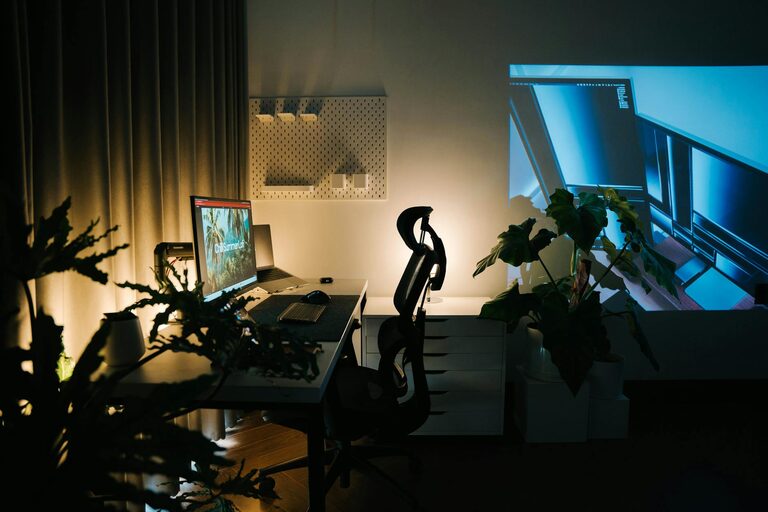
Creating a home office that is both cozy and functional can make a significant difference in your work-from-home experience. Whether you work remotely full-time, occasionally freelance, or simply need a dedicated space for personal projects, a well-designed office space helps maintain focus, reduce stress, and boost creativity. Here are practical tips to help you craft a home office that feels inviting while meeting all your professional needs.
1. Choose the Right Location
Selecting an ideal spot for your home office is the first crucial step.
– Natural Light: Aim for a space with plenty of natural light. Exposure to daylight can improve mood and energy levels.
– Quiet Area: Pick a quiet corner away from household traffic to minimize distractions.
– Space Availability: Consider the size you need for your desk, chair, storage, and movement.
If a separate room isn’t available, try to dedicate a specific corner in your living room or bedroom exclusively for work.
2. Invest in Comfortable and Ergonomic Furniture
Since you’ll spend hours here, comfort and ergonomics are key.
– Desk: Choose a desk that fits your needs in size and storage. Adjustable desks are great if you want the option to sit or stand.
– Chair: A supportive, adjustable chair helps prevent back pain and promotes good posture.
– Monitor Setup: If you use a computer, position your screen at eye level to avoid neck strain.
Prioritizing ergonomic furniture is an investment in your long-term health and productivity.
3. Optimize Lighting
Good lighting reduces eye strain and sets the mood.
– Layered Lighting: Combine natural light with overhead lighting and task lamps.
– Warm Bulbs: Use bulbs that emit a warm light to create a cozy atmosphere.
– Adjustability: Choose adjustable lamps so you can direct light where it’s most needed.
Keep your workspace well-lit but avoid harsh glare on screens.
4. Declutter and Organize
An organized desk can significantly improve focus.
– Storage Solutions: Use shelves, drawers, and organizers to keep supplies tidy.
– Cable Management: Use clips or under-desk trays to keep wires neat.
– Minimalism: Keep only essential items on your desk to maintain a clean aesthetic.
Regularly reviewing your space to remove unnecessary items helps maintain order.
5. Personalize Your Space
Adding personal touches makes your workspace welcoming.
– Decor: Incorporate artwork, inspiring quotes, or photos.
– Plants: Indoor plants add color and improve air quality.
– Textiles: Soft cushions or rugs can add warmth and texture.
Personal elements should support your focus and motivation without causing clutter.
6. Design for Functionality
Plan your office layout based on how you work.
– Zones: Create separate zones if possible, for example, a space for computer work and another for paperwork.
– Accessibility: Keep frequently used items within easy reach.
– Technology: Ensure your internet connection and tech devices support your tasks efficiently.
Being intentional about layout improves efficiency and comfort.
7. Maintain a Pleasant Ambiance
Your home office should feel inviting to encourage daily use.
– Temperature Control: Use fans, heaters, or humidifiers to stay comfortable.
– Sound: Consider noise-cancelling headphones, white noise machines, or soft background music.
– Scent: Some subtle room sprays or essential oils can make the environment more pleasant.
The right ambiance helps reduce stress and refreshes your mind.
8. Establish Boundaries
Creating mental and physical boundaries helps balance work and personal life.
– Defined Hours: Set clear work hours to avoid burnout.
– Workspace Separation: Try to “close the door” on your work at the end of the day, even if it’s an imaginary boundary.
– Communicate: Let family members or housemates know your schedule and workspace needs.
Boundaries improve focus during work and relaxation afterwards.
Conclusion
Designing a cozy and functional home office is about balancing comfort, organization, and productivity. By choosing the right location, investing in ergonomic furniture, optimizing lighting, and adding personal touches, you can create a space that inspires you each day. Remember, a well-thought-out workspace supports both your professional goals and your well-being.
Start with these tips, tailor them to your preferences, and enjoy your new home office sanctuary!