

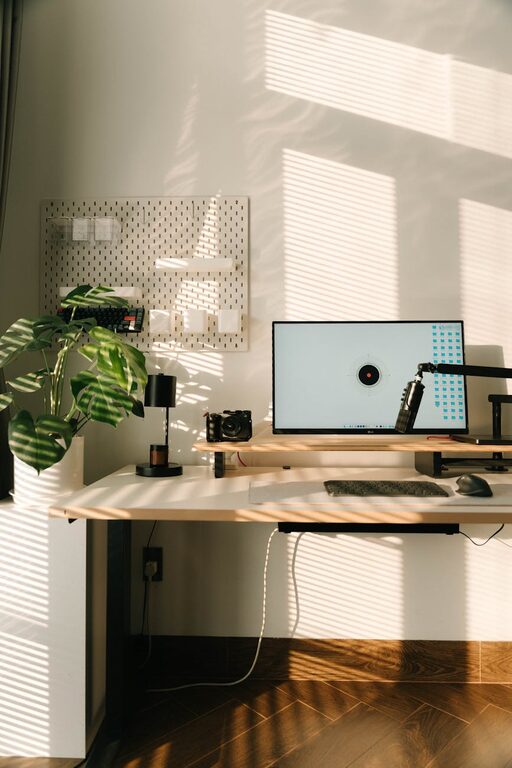
Creating a relaxing home office environment is essential for maintaining focus, reducing stress, and boosting productivity. Whether you work from home full-time or need a quiet spot for occasional tasks, your workspace can influence how well you work and feel throughout the day. In this post, we’ll walk you through practical tips to design a calm and inviting home office that balances comfort with functionality.
Why a Relaxing Home Office Matters
A cluttered or uncomfortable workspace can lead to distractions, fatigue, and decreased motivation. In contrast, a thoughtfully arranged and peaceful home office encourages concentration and helps you separate work from personal life. When your environment supports your mental well-being, it’s easier to stay motivated and productive.
Choose the Right Location
Consider Natural Light
Location plays a big role in creating a relaxing space. If possible, select a spot near a window to take advantage of natural light. Sunlight can improve mood and energy levels. Position your desk so that light falls beside you or in front, avoiding glare on your computer screen.
Minimize Noise
Find a quiet corner or room where you won’t be frequently interrupted by household noises, traffic, or street sounds. If external noise is unavoidable, consider soundproofing options like heavy curtains, rugs, or even a white noise machine to help maintain focus.
Invest in Comfortable and Functional Furniture
Ergonomic Chair and Desk
Comfortable seating and an appropriately sized desk are critical. An ergonomic chair supports your posture and reduces the risk of back pain, while a desk with enough surface area helps keep everything organized and accessible.
Adjustable Setup
If you can, include adjustable elements like a sit-stand desk or an adjustable monitor arm. Changing your position throughout the day can reduce fatigue and enhance comfort.
Organize for Simplicity and Calm
Declutter Regularly
Keep your workspace tidy by removing unnecessary items and organizing supplies. A clutter-free desk can reduce stress and help you focus better on your work.
Use Storage Solutions
Use shelves, drawers, or boxes to store paperwork, equipment, and office essentials. Label containers clearly so you can find what you need quickly without creating a mess.
Incorporate Soothing Colors and Decor
Choose Calming Colors
Colors can subtly influence your mood. Soft blues, greens, and neutrals are known for their calming effects, so try incorporating these shades through paint, wallpaper, or accessories.
Add Personal Touches
Decorate with items that make you feel relaxed and inspired, such as framed photos, artwork, or plants. However, avoid overcrowding the space to maintain a clean and peaceful atmosphere.
Bring Nature Indoors
Indoor Plants
Adding greenery can improve air quality and add a soothing natural element to your workspace. Choose low-maintenance plants like succulents, peace lilies, or snake plants, which thrive indoors with minimal care.
Natural Materials
Consider using wood, bamboo, or stone elements in your furniture or décor to create a warm and inviting environment.
Manage Lighting Thoughtfully
Layer Lighting
Combine different types of lighting for a balanced effect. Overhead lighting can provide general illumination, while desk lamps offer task lighting for focused work.
Avoid Harsh Lighting
Choose soft, warm-toned bulbs instead of harsh fluorescent lights. Adjustable lighting options let you tailor brightness based on the time of day and tasks.
Set Boundaries to Encourage Relaxation
Define Your Workspace
Even if your office is part of another room, create a clear boundary—such as a rug, room divider, or dedicated desk area—to mentally separate work from leisure.
Use “Do Not Disturb” Signals
If you share your living space, communicate your work hours to family or roommates. Using headphones or a “busy” sign can help minimize interruptions during focused work time.
Incorporate Relaxation Aids
Aromatherapy
Scents like lavender, chamomile, or eucalyptus can promote calm and focus. Use essential oil diffusers or scented candles safely within your home office.
Take Breaks Away from Your Desk
Schedule short breaks throughout the day to stretch, meditate, or simply step outside. These moments can reset your mind and prevent burnout.
Maintain a Consistent Routine
Regular Work Hours
Having set hours helps your brain shift into work mode and makes it easier to disconnect when your day ends.
Workspace Rituals
Start your day by tidying your desk or playing soft background music. Creating small rituals can make entering your workspace a calming transition.
—
By following these tips, you can create a home office environment that supports both your productivity and well-being. A relaxing and organized workspace is an investment in your daily comfort and work performance. Take the time to design a space that feels good to be in, and you might find that work becomes more enjoyable and less stressful.