

Creating and maintaining a successful home garden can be a rewarding experience that offers fresh produce, beautiful flowers, and a peaceful outdoor space. Whether you are a beginner or have some gardening experience, these tips will help you start and sustain your garden throughout the year. Consistency and planning are key to ensuring your garden remains healthy and vibrant, no matter the season.
Planning Your Garden
Choose the Right Location
Selecting the right spot for your garden is crucial. Most plants need at least 6 to 8 hours of direct sunlight daily. Observe your yard throughout the day to find a location that receives ample sun. Ensure the soil drains well and the area is protected from strong winds.
Define Your Garden’s Purpose
Decide whether you want to grow vegetables, herbs, flowers, or a combination. This will guide your plant selection and garden layout. For beginners, a small vegetable patch or a few herb pots can be a manageable and satisfying start.
Prepare Your Soil
Healthy soil is the foundation of a successful garden. Test your soil or have it analyzed to understand its pH and nutrient levels. Add organic matter such as compost or well-rotted manure to improve soil structure and fertility.
Starting Your Garden: Best Practices
Select Suitable Plants
Choose plants that thrive in your climate zone and match your gardening skill level. Some plants are easier to grow than others and can provide better success for beginners. Native plants often require less care and are more resistant to pests.
Start Seeds Indoors
For many plants, starting seeds indoors helps extend the growing season, especially in colder climates. Use seed trays and a good-quality seed-starting mix. Keep the seeds warm and moist until they germinate, then gradually expose seedlings to sunlight.
Transplant Carefully
When moving seedlings outdoors, harden them off by gradually exposing them to outdoor conditions over a week. This helps reduce transplant shock and increases chances of survival.
Year-Round Garden Maintenance
Watering Wisely
Water your garden consistently but avoid overwatering. Early morning watering reduces evaporation and helps leaves dry, preventing disease. Consider installing a drip irrigation system to provide steady moisture directly to plant roots.
Mulching Benefits
Apply a layer of mulch around plants to retain soil moisture, suppress weeds, and regulate soil temperature. Organic mulches such as wood chips or straw also improve soil quality as they decompose.
Feeding Your Plants
Feed your plants regularly with appropriate fertilizers. Use balanced fertilizers for overall growth or specific ones depending on the plant’s needs (like high phosphorus for flowering plants). Organic options such as compost tea or fish emulsion can nourish your garden naturally.
Pest and Disease Management
Regularly inspect your plants for signs of pests or diseases. Early detection allows for easier management. Encourage beneficial insects like ladybugs and use natural remedies or organic pesticides when necessary.
Seasonal Tasks
– Spring: Prepare beds, plant early crops, and prune perennials.
– Summer: Stay on top of watering and pest control, harvest mature crops.
– Fall: Clean up dead plants, add compost, plant garlic or cover crops for soil protection.
– Winter: Protect sensitive plants with mulch or covers and plan for next year’s garden.
Leveraging Garden Tools and Technology
Essential Tools
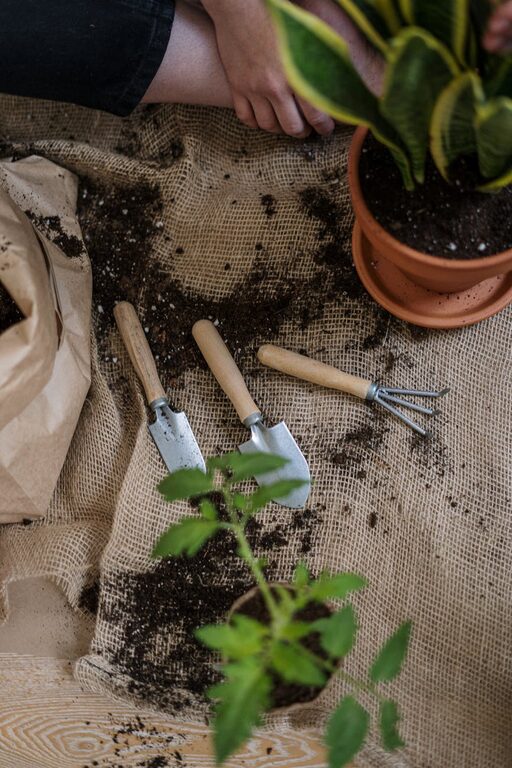
Equip yourself with basic gardening tools such as gloves, trowels, pruners, watering cans, and a spade. Quality tools make tasks easier and more enjoyable.
Using Garden Apps
Several smartphone apps help track watering schedules, plant care, and pest identification. These can be especially helpful for beginners seeking timely reminders and guidance.
Staying Motivated and Learning
Keep a Garden Journal
Track your planting dates, growth progress, successes, and challenges. This record helps you improve your garden year after year by learning what works best.
Join Gardening Communities
Local gardening clubs, online forums, and social media groups offer valuable advice and inspiration. Sharing experiences helps you stay motivated and find solutions to common problems.
—
Starting and maintaining a home garden year-round takes patience and commitment, but the joy of watching your plants flourish is well worth the effort. With thoughtful planning, routine care, and a willingness to learn, you can enjoy a beautiful and productive garden throughout every season. Happy gardening!