

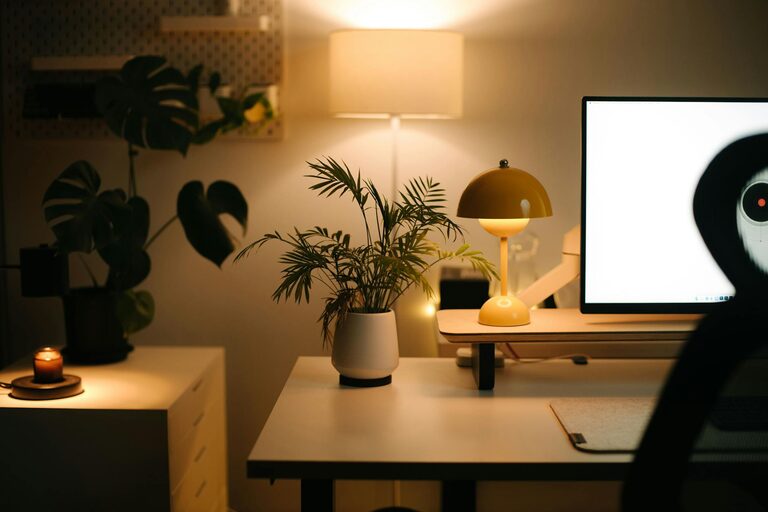
Creating a cozy and inviting home office can make a significant difference in your daily work routine. Whether you work from home full-time or occasionally need a quiet place to focus, a well-designed workspace can improve your comfort, mood, and productivity. In this post, we’ll explore practical tips for designing a home office that feels both welcoming and functional.
Why a Cozy Home Office Matters
Spending time in an uncomfortable or uninspiring workspace can lead to distractions and decreased motivation. On the other hand, a cozy office encourages focus and creativity. When your space feels inviting, it’s easier to stick to your schedule and produce your best work.
Choose the Right Location
Pick a Quiet Spot
Select a part of your home that is relatively quiet and free from distractions like foot traffic or loud appliances. If possible, dedicate a separate room to your office for better separation between work and personal life.
Consider Natural Light
Natural light can boost your mood and reduce eye strain. Try to position your desk near a window. If natural light is limited, use adjustable LED desk lamps that mimic daylight to create a bright, uplifting environment.
Invest in Comfortable Furniture
Ergonomic Chair
A good chair will support your posture and prevent back pain. Look for chairs with adjustable height, lumbar support, and comfortable cushioning.
Functional Desk
Choose a desk that fits your space and work needs. It should be large enough for your computer, notebooks, and other essentials without feeling cramped. Adjustable desks that allow standing and sitting options can also enhance comfort.
Organize Efficiently
Declutter Your Space
Keep only what you need on your desk. Use organizers, drawers, and shelves to store items neatly. A tidy workspace reduces stress and boosts focus.
Use Cable Management
Tangled cords can look messy and be distracting. Use cable clips, ties, or under-desk trays to keep wires in order and out of sight.
Add Personal Touches
Choose Soothing Colors
Soft, warm tones like beige, soft greens, or pastel blues can create a calming atmosphere. Avoid overly bright or harsh colors that might cause visual fatigue.
Include Plants
Indoor plants bring life and freshness to your workspace. They help purify the air and can reduce stress. Choose low-maintenance varieties like succulents, pothos, or snake plants.
Display Inspiring Decor
Add elements that motivate you, such as artwork, motivational quotes, or photos. However, avoid overcrowding your space—balance is key.
Enhance Comfort and Ambiance
Use Soft Textiles
A cushioned chair pad, cozy throw blankets, or a small rug can add warmth and comfort to your office. These touches make the space feel less sterile and more homely.
Control the Temperature
Make sure your workspace is neither too hot nor cold. Use fans, heaters, or heaters as needed to maintain a comfortable temperature that allows you to concentrate.
Improve Air Quality
Proper ventilation helps you stay alert. Open windows when possible or use air purifiers to maintain fresh air in your workspace.
Optimize Lighting
Layer Your Lighting
Avoid relying solely on overhead lights. Combine task lighting (desk lamps) with ambient lighting such as floor lamps or wall sconces for a balanced environment.
Minimize Glare
Position screens perpendicular to windows or use blinds to reduce glare. This prevents eye strain and helps maintain focus.
Set Boundaries and Routine
Define Work Hours
Set regular hours to start and end your workday. Having a defined routine creates mental separation between work and relaxation.
Create Signals for Family or Roommates
If you share your living space, have clear signals like a door sign or headphones to indicate when you shouldn’t be disturbed.
Final Thoughts
Creating a home office that is both cozy and inviting doesn’t require major renovations. Thoughtful choices in furniture, lighting, organization, and decor can turn any space into a productive sanctuary. By investing time into setting up your ideal workspace, you’ll enjoy greater comfort and focus in your daily work life. Start small with one or two changes and build your perfect home office over time.